
EXPLORE SICILY
Itineraries
and surroundings
Between history and archaeology
“Urbs dives”
Santuari rupestri, chiese scavate nella roccia e catacombe cristiane, databili tra il V e il VI secolo d.C., fanno del capoluogo e dell’intera provincia di Ragusa un’area di straordinario interesse per gli appassionati di archeologia tardo-romana e bizantino-medievale.
Il territorio compreso tra Modica e Ragusa è ricco di testimonianze: basti ricordare siti come Grotte Cadute, l’Ipogeo del Camposanto, la Grotta dei Santi e Baratavilla, solo per citarne alcuni.
Accanto a queste emergenze, gli insediamenti preistorici, greci e romani punteggiano il territorio, estendendosi da Scicli a Santa Croce Camerina, da Chiaramonte Gulfi a Ispica, delineando un quadro storico di continuità millenaria.
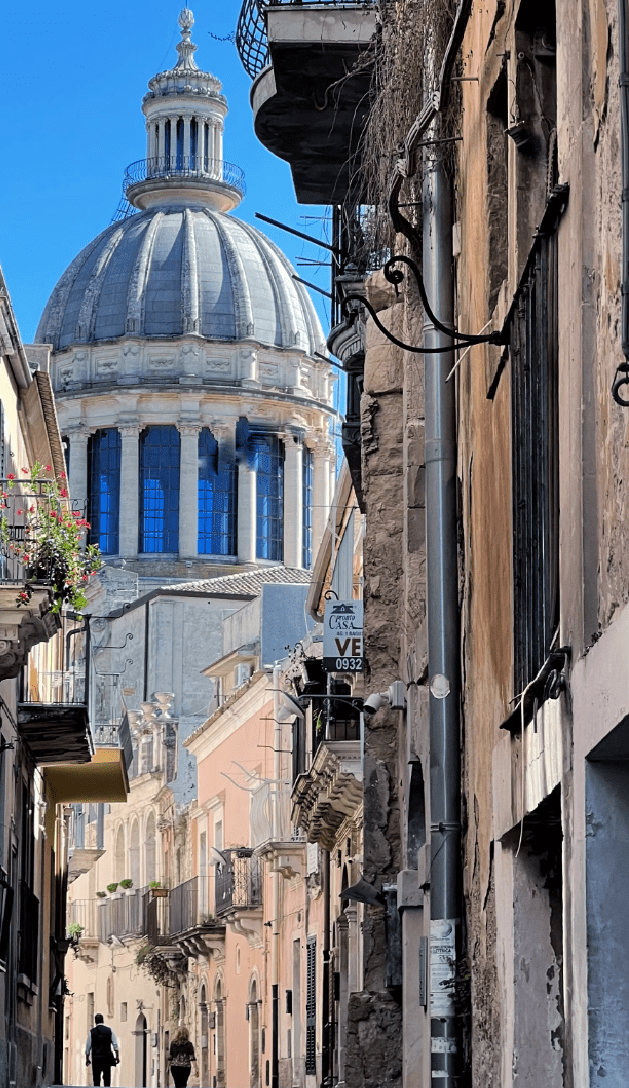
A completare questo patrimonio unico si aggiunge l’eccezionale stagione del Barocco, che disegna il volto delle città del territorio. Ragusa Ibla, con le sue chiese e i suoi palazzi scenografici, insieme agli altri centri del Val di Noto, rappresenta uno dei vertici del Barocco europeo, riconosciuto come Patrimonio dell’Umanità UNESCO.
Un territorio, dunque, in cui archeologia e arte offrono emozioni indimenticabili, offrendo un’esperienza culturale di rara ricchezza.
Between sea and plateaus
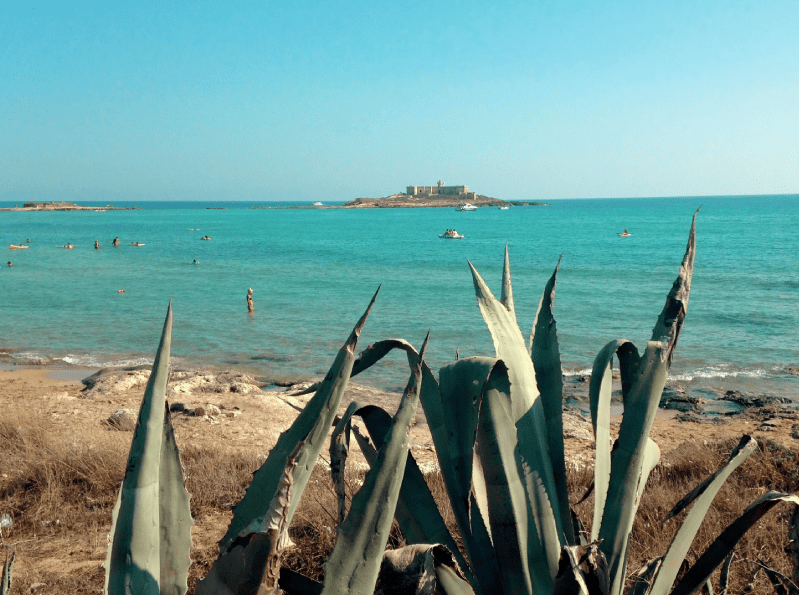
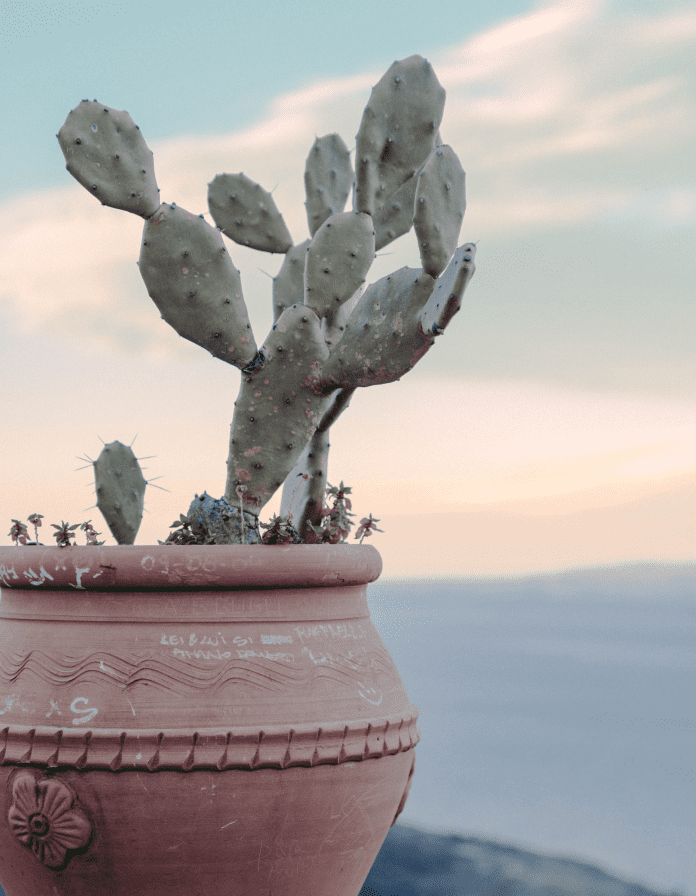
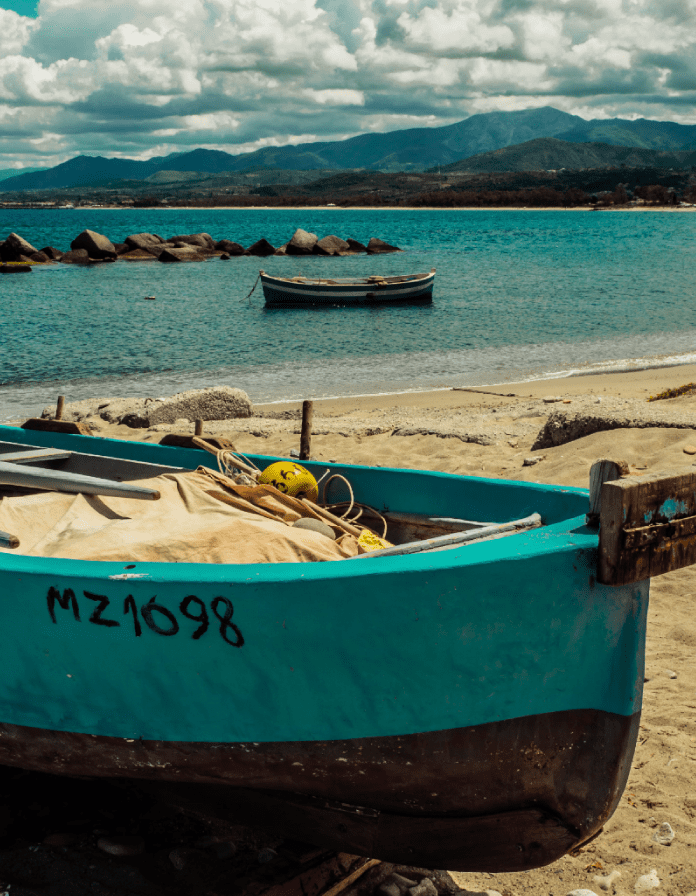
The Mediterranean climate makes the province of Ragusa one of the most attractive tourist areas in Sicily. The extensive plateaus, which are about to become part of the Great Iblean National Park, and the pristine flora and fauna make this part of Sicily a small picture in which the vast and green fields surrounded by dry stone walls of the hinterland, large alternating sand dunes in the coastal area. The mountain routes include towns such as Acate, Monterosso Almo, Chiaramonte Gulfi and Ragusa itself, while the coastal ones include the beautiful beaches which from Marina di Ispica, Pozzallo, Marina di Modica, Donnalucata reach Marina di Ragusa.
World Heritage
of Humanity
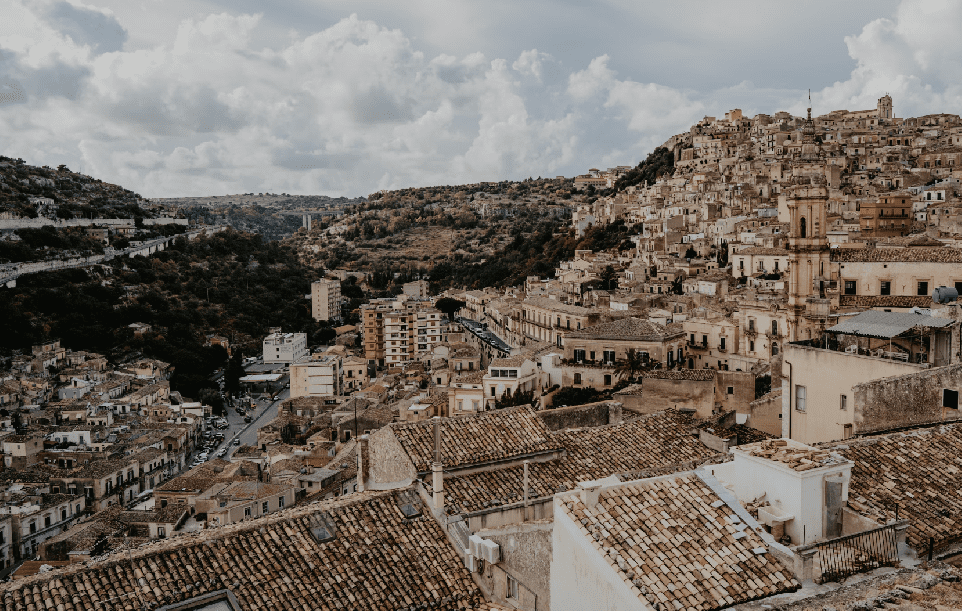
Since 2002 Ragusa has been included among the sites heritage of humanity, thanks to its artistic and archaeological riches. The city's reconstruction took place after the disastrous earthquake of 1693 and featured famous figures such as Vermexio, Ittar, and Sinatra, to name a few who contributed to the Baroque style of the Val di Noto.
Columns and capitals, statues and architectural compositions make our province one of the most important documents of the Sicilian BaroqueThe Baroque itineraries will accompany you to the churches of Ragusa Ibla, between the cathedral of San Giorgio, Modica, Palazzo Zacco, Piazza Duomo, from town to town until the crowning of the beautiful Scicli Baroque.

Between folklore
and flavours
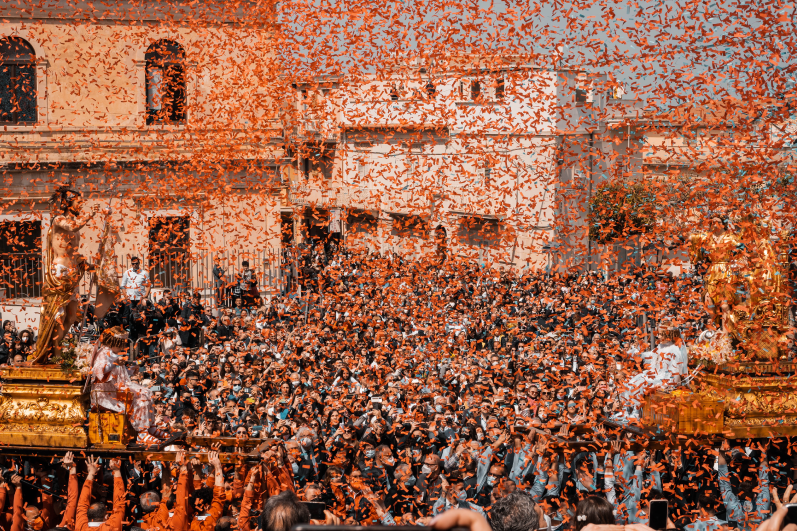
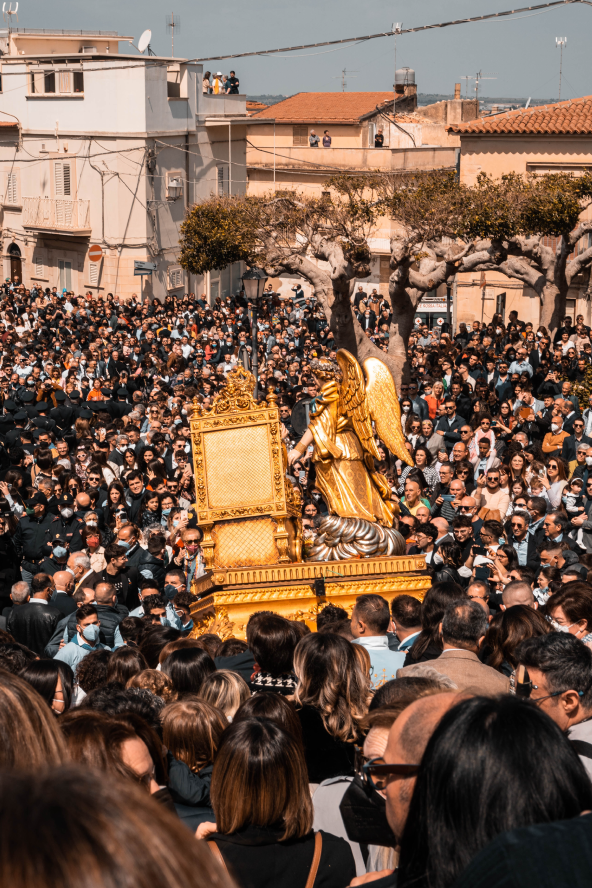
The numerous village festivals (Sausage Festival, Onion Festival, Grape Harvest Festival, Free-Range Rooster Festival), and the religious-folkloristic holidays, Madonna delle milizie, Festa del Risorto, Cavalcata di San Giuseppe, Madonna Vasa Vasa and many others attract the attention and admiration of many tourists struck by the customs and traditions of a people who have managed to maintain and transmit their history. What makes these events even more interesting is certainly the food and wine tradition. The DOC and DOCG wines, DOP olive oil, and cheeses are famous and exported all over the world, further strengthening the belief that a stay in our province remains a must for those who love to travel.